

Which Flower Pot Is Best For Your Plants?
Jul 28, 2025
Which Flower Pot Is Best for Your Plants? [2025 Guide with Top Picks]
Are you wondering which flower pot is best for your plant? Whether you're growing succulents on a windowsill, nurturing a monstera in your living room, or decorating a patio with colorful blooms, choosing the right pot is crucial-and often overlooked.
In this comprehensive guide, we'll help you:
Understand different types of flower pots
Know what material and size best suit your plant's needs
Discover the best-rated plant pots in 2025
Avoid the most common potting mistakes
Let's help your plants thrive-starting from the roots.


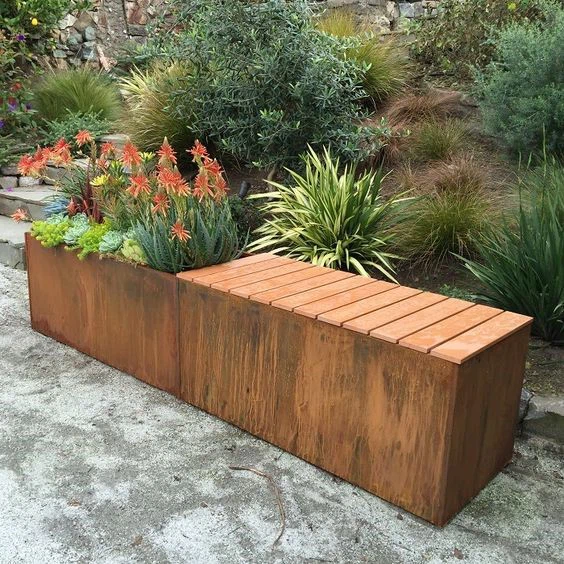


Why Choosing the Right Flower Pot Matters
Many plant lovers focus on soil, sunlight, and watering-but forget that the container itself impacts plant health dramatically.
A bad pot can cause:
Root rot from poor drainage
Stunted growth from being too small
Tipping over if it's too light for tall plants
Aesthetically clashing with your decor (hello mismatched plastic)
On the flip side, the right flower pot can improve:
Drainage and airflow
Root development
Ease of care (especially self-watering pots!)
Your overall room or garden design
So yes, it's not just a container-it's a plant's home.

Main Types of Flower Pots (Pros & Cons)
Let's break down the most popular pot types on the market:
1. Ceramic Pots (Glazed or Unglazed)
Pros: Stylish, sturdy, breathable (if unglazed)
Cons: Heavy, can break easily, expensive
Best for: Indoor plants like pothos, philodendrons, peace lilies
2. Plastic Pots
Pros: Affordable, lightweight, come in many colors/sizes
Cons: May retain water too long, less durable in sunlight
Best for: Hanging baskets, starter plants, succulents
3. Terracotta Pots
Pros: Extremely breathable, classic look, ideal for dry-loving plants
Cons: Dry out quickly, can crack in frost
Best for: Cacti, succulents, herbs
4. Concrete/Stone Pots
Pros: Ultra-durable, heavy (great for stability), modern style
Cons: Heavy to move, expensive, less breathable
Best for: Outdoor landscaping, large floor plants
5. Self-Watering Pots
Pros: Convenient, perfect for busy people or travelers
Cons: Higher cost, not ideal for all species
Best for: Fiddle leaf figs, snake plants, peace lilies
How to Choose the Right Size Flower Pot
A pot that's too small = roots get cramped
A pot that's too large = water stagnation, root rot
General rule:
Select a pot that is 1–2 inches larger in diameter than the current root ball.
| Plant Size | Recommended Pot Diameter | Pot Depth |
|---|---|---|
| Succulents | 4–6 inches | Shallow |
| Herbs/Indoor Plants | 6–10 inches | Medium |
| Floor Plants (Monstera, Fiddle Leaf Fig) | 12–16 inches | Deep |

Quick Tips for First-Time Pot Buyers
✅ Always check for a drainage hole
If not included, drill your own or use inner nursery pots
✅ Match the pot to your watering style
Overwaterers: Terracotta (drains fast)
Underwaterers: Plastic or self-watering
✅ Don't pot too early!
Let new plants acclimate for 1–2 weeks before repotting
✅ Use potting mix, not garden soil
Garden soil compacts easily and suffocates roots
FAQs: Flower Pot Buying Questions Answered
A: Every 12–18 months or when roots are growing out the bottom.
The Right Pot Makes All the Difference
Your plants deserve more than a random container-they need a healthy, breathable, and stable environment. A beautiful pot doesn't just help the plant grow-it elevates your space, improves ease of care, and enhances the whole planting experience.
Whether you're buying for beauty, convenience, or your plant's health, there's a perfect pot out there for you.
👉 What's Next?
Want to shop our planter pots? Click here to browse now


